- Construction Management and Inspection
- Posts
- The Building Insider: April 2026
The Building Insider: April 2026

Lance Luke
March 28, 2026

April is a time to prioritize safety and proactive building management. This month’s newsletter focuses on awareness and technical guidance, highlighting timely articles on Defective Building Materials: Causes and Consequences and How to Recognize Defects in New Construction, two critical topics for homeowners, boards, and property managers.
We also feature Lance’s book, Defective Building Materials, which provides practical guidance to help identify potential hazards, understand the risks they pose, and make informed decisions that protect occupants, property value, and long-term liability.
Happy Easter!

Easter is a time to celebrate renewal, new beginnings, and the spirit of community that brings us together. It serves as a reminder that a vibrant community is built on a foundation of mutual support and the shared goal of protecting the places we call home.
This month’s newsletter focuses on building integrity and identifying construction defects, helping homeowners and associations make informed decisions that protect their investments and ensure a safe season ahead—because a solid foundation is the best way to ensure peace of mind for every family.
Featured Book
Defective Building Materials offers a comprehensive and essential guide to identifying the hidden warning signs of material failure in your property. This book provides a clear, expert roadmap for understanding how manufactured defects and poor installations can lead to long-term structural issues and what critical steps must be taken to protect your investment.
A must-read guide from Building Expert Lance Luke, filled with decades of forensic construction experience to help property owners, boards, and residents identify potential vulnerabilities, recognize early signs of deterioration, and ensure the safety and longevity of their buildings.
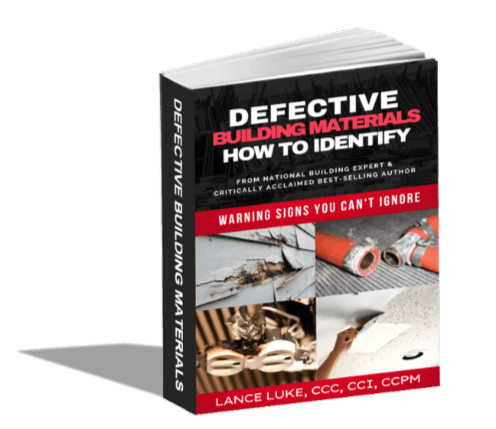
Download available for 30 days only.
Defective Building Materials: The Silent Threat to Structural Integrity
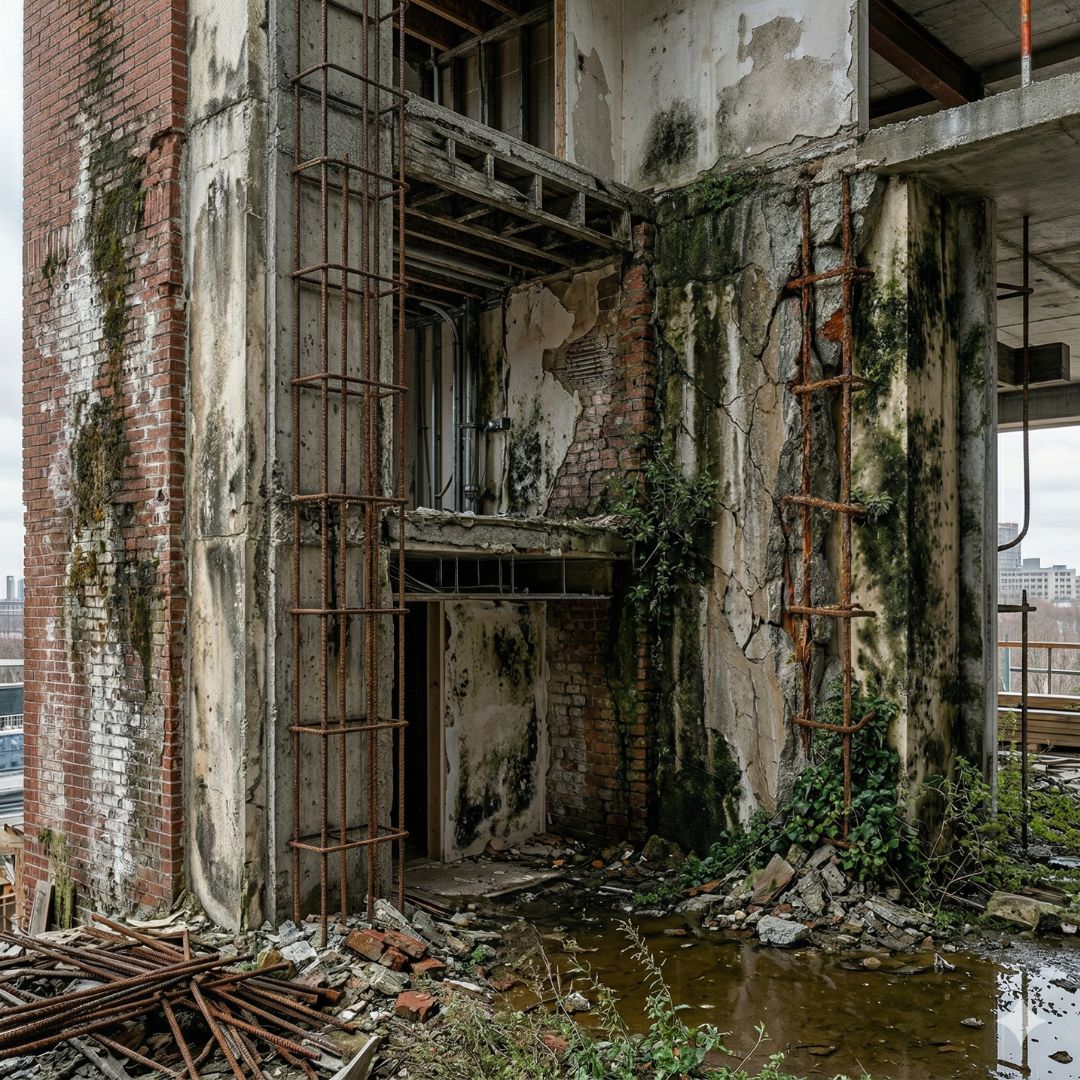 | In the construction industry, the materials we choose are the DNA of the building. When that DNA is flawed, the entire "organism" suffers. Over my 45 years as a forensic engineer, I have witnessed how defective building materials can transform a multi-million dollar investment into a mounting legal and physical liability. |
The Developer Transition: Spotting Defects in "New" Construction
 | There is a dangerous psychological trap for new homeowners and AOAO Board members: the "New Building Smell." It creates a false sense of security that leads many to believe the structure is flawless. However, the first three years of a building's life are actually the most critical window for identifying baked-in construction defects. |
National Building  Introducing the | Webinars  Explore our | Expert  Enhance your building's safety with Lance Luke's |
Q&A: Ask the Building Expert

Question: We own a unit in a newer condo and we are seeing some cracking in the parking garage and water staining near the windows. Since the building is only a few years old, is this just normal settling, or should we be worried about defective construction?
Answer: This is a situation that requires immediate attention. It is a common myth that new buildings are perfect, but the reality is that construction defects are often baked in from day one. Those "settling" cracks or minor leaks are frequently early warning signs of defective building materials or poor installation that can lead to massive structural issues like "concrete cancer" later on. Your priority must be to perform a forensic transition audit before your warranty period expires. Addressing these red flags proactively is the only way to hold developers accountable, protect your property value, and avoid huge special assessments for the owners down the road.
Follow us on social media
Contact Us
Not a subscriber? Click here to email us and join our mailing list
Reply